
Change Your Life with a Career in Psychology
Have you ever found yourself listening carefully when someone is upset, trying to understand what's really going on behind their words? Maybe you've wondered why people behave the way they do, why children learn differently, or how confidence, stress, trauma, and motivation shape everyday life. If that sounds like you, a career involving psychology could be a powerful next step.
This kind of work matters. In England, NHS England reported that 2.1 million people were in contact with NHS mental health services in 2023/24, including 1.63 million adults receiving care, and 5.0 million people were referred to NHS Talking Therapies. That tells you something important. Psychology isn't a tiny niche. It sits right at the heart of health, education, workplaces, and community support.
You might be reading this while juggling work, children, bills, and the feeling that education was meant for other people. It wasn't. Many adult learners start with low confidence and a long gap since their last course. They still go on to earn qualifications, get into university, and build careers that make their families proud.
Psychology also offers more than one path. Some roles involve therapy and mental health support. Others use psychology in schools, research, business, sport, user experience, and workplace wellbeing. This guide breaks down 10 careers involving psychology in clear, simple steps, so you can see what each role looks like and how your journey could begin from home with the right support.
1. Clinical Psychologist
Clinical psychology is one of the best-known careers involving psychology, and for good reason. Clinical Psychologists help people facing serious emotional and mental health difficulties, such as anxiety, depression, trauma, or eating disorders. They assess what's going on, choose suitable evidence-based therapies, and support people over time.
This is a respected role in settings such as NHS mental health teams, specialist hospital units, private clinics, and university wellbeing services. If you want a career where you can make a real difference in your local community, this path has strong purpose behind it.
What the work feels like
A Clinical Psychologist's day might include meeting a person who is struggling to leave the house because of panic, speaking with a family about a child's behaviour, or working with a team to support someone recovering after a major life crisis. You won't just listen. You'll assess, plan, and deliver psychological support in a structured way.
In the UK, this is not usually an entry-level job. Psychology roles often require postgraduate training for chartered or specialist practice, and they follow regulated pathways with formal milestones. That means your first qualification is the start of the road, not the end.
Practical rule: If you're drawn to clinical work, treat your early studies seriously. Strong grades and relevant experience both matter.
Good first steps
- Build people-facing experience: Volunteer with organisations such as Mind or Samaritans to strengthen your listening and support skills.
- Choose useful subjects: Psychology, Biology, and Sociology can give you a solid foundation for later study.
- Learn the profession: Student membership with the British Psychological Society can help you understand the field and feel part of it early on.
If this path feels big, that's normal. Big goals often start in small, ordinary places, such as studying after the kids are in bed, writing your first assignment, and proving to yourself that you can do more than you thought.
2. Counsellor or Psychotherapist
A Counsellor or Psychotherapist gives people a safe place to talk openly. That might be about grief, relationships, stress, trauma, self-esteem, or feeling stuck. The role isn't about telling people what to do. It's about helping them understand themselves and move forward.
You could work in schools, charities, GP surgeries, workplace support services, NHS talking therapies, or private practice. For many adult learners, this career feels like a natural fit because life experience can deepen empathy, patience, and understanding.

Why this role suits caring adults
A lot of people returning to education worry that they're “too old” to start again. In counselling, maturity can be a strength. Clients often need calm, trust, and a sense that they are being heard without judgement.
A school counsellor may support a teenager with exam stress. A bereavement counsellor may sit with someone whose whole world has changed. A workplace therapist may help an employee who looks fine on the outside but is overwhelmed inside. This is profoundly human work.
If university is part of your plan, it helps to understand the route in clearly. This guide on how to get into universities can make the process feel much more manageable.
Smart ways to get started
- Pick recognised training: Look for a course recognised by the British Association for Counselling and Psychotherapy.
- Volunteer early: Helpline work is a strong way to practise careful listening and emotional steadiness.
- Think about your future client group: Some people want to support children, some couples, some bereaved adults, and some people living with anxiety.
You don't need to have all the answers before you begin. You need a starting point, a plan, and the courage to take the first step.
3. Educational Psychologist
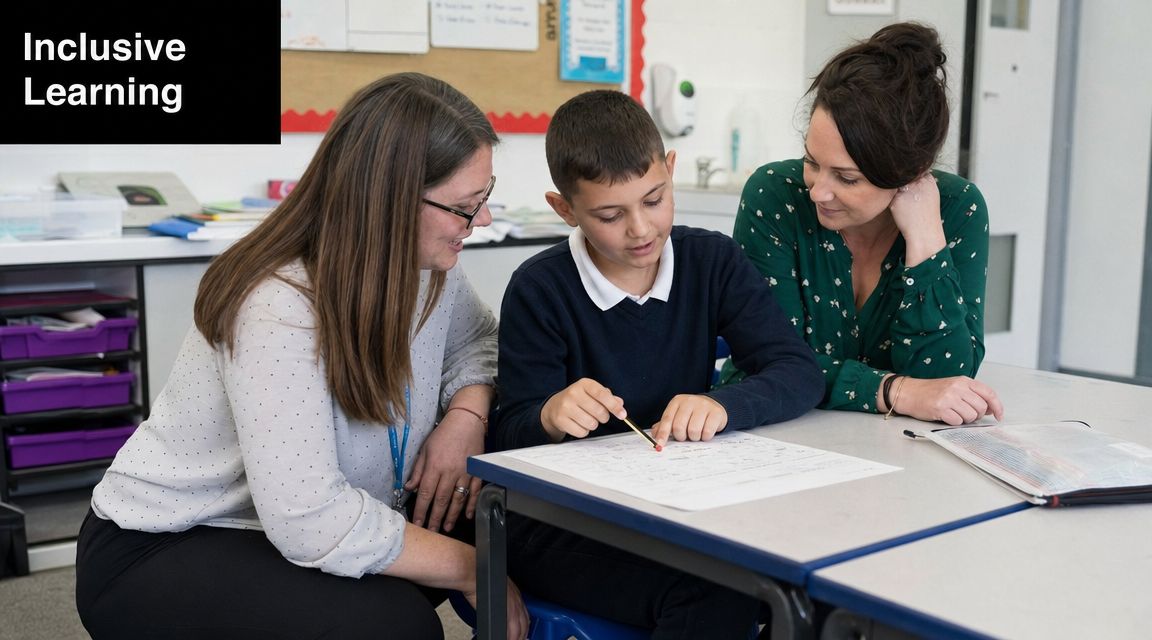
If you care about children and want to help them thrive, Educational Psychology is a strong option. Educational Psychologists help children and young people who are struggling with learning, behaviour, communication, or emotional wellbeing. They work with schools, parents, and other professionals to understand what support will help most.
This role often sits within local authority services, specialist schools, private assessment services, and teams that support children with additional needs. It blends psychology, education, and practical problem-solving.
Real examples of the job
One child may be bright and curious but falling behind in reading. Another may be struggling to manage emotions in class. Another may need support linked to special educational needs. An Educational Psychologist looks carefully at the whole picture, not just test results.
They may observe a pupil in class, speak with parents and teachers, and help shape an Education, Health and Care plan. Their work can change the way a child experiences school and future learning.
First moves that make sense
- Work with children directly: Roles such as teaching assistant, youth worker, or learning support assistant can give you useful insight.
- Learn key school systems: Understanding special educational needs support and EHC plans will help you speak the language of the profession.
- Choose supportive subjects: Psychology, Sociology, and English can all help build a strong foundation.
This career often appeals to adults who want work with purpose close to home. Helping a child feel understood at school can also help a whole family breathe again.
4. Occupational Psychologist
Not every psychology career happens in a clinic. Occupational Psychologists use psychology to improve workplaces. They help organisations hire well, lead well, train staff effectively, and create healthier working environments.
This is one of the careers involving psychology that many people overlook at first. Yet it can suit someone who likes people, business, systems, and practical problem-solving all at once.
What you might actually do
An Occupational Psychologist might design a recruitment process, improve staff training, help managers lead teams better, or support an organisation through major change. Some work inside large companies. Others work in consulting firms or the Civil Service.
The work can be varied. One week could involve staff surveys and interviews. Another could focus on coaching managers, reviewing assessment methods, or helping reduce work-related stress.
The UK career picture is broader than many people realise. Current career guidance increasingly highlights psychology-based work beyond traditional therapy, especially in human factors, UX research, people analytics, consumer research, and organisational development, as noted in this overview of non-clinical psychology jobs.
Helpful early preparation
- Get business exposure: Work experience in an office, HR team, or customer-facing company can help.
- Strengthen data confidence: You don't need to be a maths genius, but being comfortable with patterns, surveys, and evidence matters.
- Keep the long view: Many people in this area study psychology first, then specialise later through postgraduate training.
If you want to understand people but don't feel pulled towards therapy rooms, this route may fit you far better than you expect.
5. Health Psychologist
Health Psychologists focus on the link between mind and body. They help people manage long-term health conditions, adjust to illness, cope with pain, and make changes that support better health. Their work can have a real effect on daily life.
You might find them in hospitals, rehabilitation services, pain clinics, community health settings, or public health projects. This is a thoughtful, practical career for someone who wants to support people through difficult health journeys.
Where this role makes a difference
A person living with heart disease may know what changes they “should” make, but still find those changes hard. Someone with chronic pain may feel frightened, frustrated, or exhausted. A cancer patient may need support coping with treatment, uncertainty, and loss of control.
A Health Psychologist helps people work through those emotional and behavioural barriers. The role often combines one-to-one support, behaviour change planning, and teamwork with other health professionals.
Health problems aren't only physical. People bring fear, habits, hope, family pressures, and motivation into every treatment room.
A good foundation for this path
- See healthcare up close: Volunteering in a hospital, hospice, or support charity can show you the human side of health services.
- Learn common conditions: Understanding long-term illness, pain, and lifestyle-related health issues is useful.
- Consider your route in: An Access to HE Diploma in Health can be a sensible preparation step before university study.
For many adult learners, this career feels profoundly meaningful because it combines compassion with science. It's about helping people live as fully as possible, even when life feels hard.
6. Forensic Psychologist
Forensic Psychology sits where psychology meets the justice system. It's a strong choice if you're interested in crime, rehabilitation, risk, and the reasons behind harmful behaviour. This work can happen in prisons, secure hospitals, probation services, and legal settings.
It's a demanding career, but it matters. Forensic Psychologists help assess risk, support rehabilitation, and contribute to safer decisions across the justice system.
What this looks like in practice
You might work with an offender in prison to understand patterns of violence or impulsive behaviour. You might help a team decide what support could lower the risk of reoffending. You might contribute reports used by professionals making important legal or safety decisions.
This work needs emotional resilience. You'll hear difficult stories and deal with high-stakes situations. But for the right person, it's meaningful because it balances public safety with the possibility of change.
If crime and behaviour interest you, this article on what a criminologist does can help you understand a related field and sharpen your thinking about where you might fit.
Steps that can help early on
- Explore the sector carefully: Victim Support or other criminal justice charities can offer useful insight.
- Choose helpful subjects: Psychology, Law, and Sociology work well together.
- Prepare for challenge: Security vetting and emotionally heavy environments are inherent to these roles.
Some people are drawn to this field because they want to understand crime. Others stay because they believe people can change with the right support and accountability.
7. Sport and Exercise Psychologist
Sport and Exercise Psychologists help people perform well and stay mentally strong. That can mean working with athletes under pressure, helping injured players rebuild confidence, or supporting ordinary people who want to stick with exercise and feel better.
This role is a good fit if you enjoy sport, motivation, and performance. It connects psychology with focus, resilience, teamwork, identity, and habit.
A footballer preparing for a major match may struggle with nerves. A young gymnast may need help with confidence after a mistake. A runner coming back from injury may be frightened of pushing too hard. A Sport and Exercise Psychologist helps people manage those mental barriers.
Here's a short video that gives a feel for the area:
This career goes beyond elite sport
Not every client is a top athlete. Some professionals work with local teams, schools, gyms, or people using exercise to improve mental wellbeing. That makes the field broader than many learners first think.
You could help a club improve team culture, support a recovering athlete in a clinic, or work with active people who want better focus and consistency. The psychology of performance applies in many settings.
Ways to build towards it
- Stay involved in sport: Coaching, volunteering, or supporting local teams can all help.
- Study the mental side: Learn about pressure, motivation, routines, confidence, and recovery.
- Combine your interests well: Psychology and PE make a strong starting pair if you're choosing subjects.
If you've always loved sport but also care about people's minds, this path can bring both passions together in one career.
8. Workplace Wellbeing Manager
A Workplace Wellbeing Manager helps employees feel supported, healthier, and more able to do good work. This role often sits between psychology, HR, and organisational culture. It suits people who care about mental health but want to work in business or public sector settings rather than therapy services.
Many employers now understand that stress, poor communication, burnout, and low morale affect both people and performance. That's where this role comes in.

Day-to-day examples
A Workplace Wellbeing Manager might organise mental health awareness sessions, create stress support resources, review employee feedback, or help managers spot signs that staff are struggling. In some organisations, they also shape wider wellbeing strategy.
This role can be found in large companies, specialist consultancies, retailers, finance firms, and public services. You may work on campaigns, staff support pathways, or programmes that encourage healthier routines and stronger workplace culture.
A practical route in
- Start with HR exposure: Entry-level HR or people team roles can open the door.
- Gain recognised skills: Mental Health First Aid training can strengthen your profile.
- Use evidence well: Employers value people who can turn staff feedback into useful action.
This path can be especially appealing if you want to help adults who are under pressure at work. It's about making everyday working life kinder, clearer, and more sustainable.
9. Research Psychologist
If you're the kind of person who keeps asking why, research could suit you. Research Psychologists study how people think, feel, learn, remember, and behave. Their findings shape therapies, education, services, and policy.
This role often sits in universities, research centres, health settings, and large organisations. It's one of the careers involving psychology that can influence thousands of lives through evidence and new knowledge.
What researchers actually do
A Research Psychologist might design a study on memory, analyse behaviour patterns, test an intervention, or examine how people respond to a new service. Some focus on mental health. Others study development, learning, decision-making, or social behaviour.
The work includes planning, reading, writing, collecting data, and analysing results carefully. If you enjoy structure, curiosity, and detail, that can be satisfying rather than boring.
The first strong foundation often starts with subject study. If you're considering this path, A Level Psychology can help you begin building the language, theory, and research awareness you'll need later.
Skills worth building now
- Take research methods seriously: Many students find this part hard at first, but it matters a lot.
- Get comfortable with evidence: Reading studies and spotting strong reasoning is part of the job.
- Be patient with yourself: Good research often means slow, careful thinking, not quick guesses.
Research isn't only for people in white coats at famous universities. It starts with curiosity, discipline, and learning how to ask better questions.
10. HR Business Partner
An HR Business Partner uses psychology in a senior business role. This job focuses on people, leadership, performance, communication, and organisational change. It's strategic work, which means you help shape decisions rather than only handling day-to-day HR tasks.
If you like the idea of influencing workplace culture and helping organisations succeed through their people, this could be an excellent long-term goal.
What makes this role different
An HR Business Partner often works closely with senior leaders. You might help a department manage change, improve leadership, handle workforce challenges, or plan how to develop talent. The job involves judgement, communication, negotiation, and a strong understanding of behaviour at work.
This isn't usually where people start. Many begin in HR administration, recruitment, training, or employee relations and build up over time. Psychology helps because it gives you insight into motivation, conflict, decision-making, and team dynamics.
Building towards this career
- Get your foot in the door: Entry-level HR jobs and graduate schemes can start the process.
- Add professional development: A CIPD qualification can support progression.
- Grow your confidence: Senior people roles require clear communication and calm decision-making.
This is a strong option for learners who want a respected career with room to grow, while still using psychology in a very practical way. It shows that careers involving psychology aren't limited to clinics or counselling rooms. They can lead right into leadership and strategy too.
10 Psychology Careers: Role Comparison
| Role | Implementation complexity 🔄 | Resource requirements ⚡ | Expected outcomes & key advantages 📊⭐ | Ideal use cases 💡 |
|---|---|---|---|---|
| Clinical Psychologist | High, doctorate + HCPC registration; emotionally demanding | High, clinical placements, supervision, NHS posts | Effective evidence-based treatments; strong job security; specialist expertise | Severe mental illness, crisis care, multidisciplinary healthcare teams |
| Counsellor or Psychotherapist | Medium, accredited diploma/degree; flexible routes | Medium, supervision, practice space, CPD; viable private practice | Strong client support for life issues; flexible hours; accessible interventions | Relationship issues, bereavement, school or workplace support |
| Educational Psychologist | High, doctorate in educational psychology; school system navigation | High, assessment tools, multi-agency coordination, EHC planning | Improved learning outcomes; personalised SEN plans; school staff training | Learning difficulties, behavioural challenges, EHC assessments |
| Occupational Psychologist | Medium–High, MSc common; business and data skills needed | Medium, access to organisational data, training budgets, consultancy time | Better selection, leadership development, improved performance | Recruitment design, organisational change, leadership coaching |
| Health Psychologist | High, doctorate + medical liaison; knowledge of health conditions | High, clinical settings, programme funding, multidisciplinary teams | Improved health behaviours, chronic disease management, public health impact | Pain clinics, chronic illness support, smoking cessation programmes |
| Forensic Psychologist | High, doctorate, legal knowledge, security vetting | High, secure facilities, risk-assessment tools, interagency work | Expert risk assessments, rehabilitation programmes, court testimony | Prisons, secure hospitals, police/probation services |
| Sport & Exercise Psychologist | Medium–High, MSc/Doctorate; sport-specific expertise | Medium, athlete access, travel, performance monitoring tools | Enhanced performance, injury rehabilitation, motivation strategies | Elite teams, sports clinics, community exercise programmes |
| Workplace Wellbeing Manager | Medium, degree or HR background; stakeholder management | Medium, programme budgets, partnerships, survey/data tools | Improved employee wellbeing, reduced absence, cultural change | Corporate wellbeing strategies, HR-led wellbeing initiatives |
| Research Psychologist | High, PhD and research track; strong stats skills | High, funding, labs/software, research collaborations | New scientific knowledge, evidence for policy/practice, academic impact | Academic research, clinical trials, policy evaluation |
| HR Business Partner | Medium, degree + CIPD desirable; commercial acumen | Medium, business access, workforce analytics, stakeholder time | Strategic workforce planning, leadership pipelines, organisational impact | Strategic HR projects, mergers, talent development programs |
Your Next Step to a Brighter Future
Seeing all these options in one place can bring up mixed feelings. You might feel excited, hopeful, and motivated. You might also feel nervous and wonder whether someone like you can really do this. The answer is yes, you can.
Many adults come back to education carrying doubt from school, family responsibilities, money worries, or years of putting themselves last. That doesn't mean the door is closed. It means your route may look different from someone else's. Different doesn't mean worse. In many cases, it means you arrive with more determination, more life experience, and a stronger reason to succeed.
A career involving psychology can give you more than a job title. It can give you purpose, direction, and pride. It can help you build a future where your children see you studying, growing, and refusing to give up on yourself. That example matters. When your family watches you work towards a meaningful goal, they learn something powerful about resilience and possibility.
It also helps to be realistic. Some psychology careers take time. In the UK, protected or specialist roles often require accredited study, postgraduate training, or supervised practice. Guidance on psychology careers also notes that employer expectations for clinician-track roles are often tied to chartered or specialist standards, with an accredited psychology degree and further training commonly needed, as explained in the APA careers guide. That might sound demanding, but it can also be encouraging. There is a clear path. You do not need to guess your way forward.
The important thing is not to compare your chapter one with somebody else's chapter ten. Your job right now is to focus on the first step in front of you. That may be gaining the A Levels you need. It may be choosing an Access to Higher Education Diploma. It may be rebuilding confidence in study after years away from a classroom.
Flexible learning matters. If you're working, parenting, or doing both, you need a route that fits real life. You need support that speaks to adults with responsibilities, not just school leavers. You need teaching that breaks things down clearly and helps you keep going when life gets busy.
That's why starting with the right course can change everything. When you study from home, build your confidence steadily, and work towards university or a new career step by step, the goal stops feeling impossible. It starts feeling practical.
You don't need to have your whole future sorted today. You only need the courage to begin. One course can lead to a qualification. One qualification can lead to university. University can lead to a profession that changes your life, supports your family, and lets you make a real difference to other people. That future is not only for other people. It can be yours too.
Next Level Online College helps adult learners across the UK take that first step with flexible, fully supported courses that fit around work and family life. Whether you need GCSEs, A Levels, Functional Skills, or an Access to HE Diploma to move towards careers involving psychology, you can study online with expert support and a clear path forward. Explore your options with Next Level Online College and start building a future you'll be proud of.